
Author: Creator
-
How do you troubleshoot candles that burn unevenly?
Uneven candle burn troubleshooting Read the flame. Check the system. Change one variable. Tunneling, a lopsided melt pool or a drowning wick is a symptom—not a diagnosis. Use this guide to separate placement and care issues from wick, vessel and formula problems without resorting to risky heat tricks. Seven burn symptomsConsumer vs maker actionsUnsafe fixes…
-
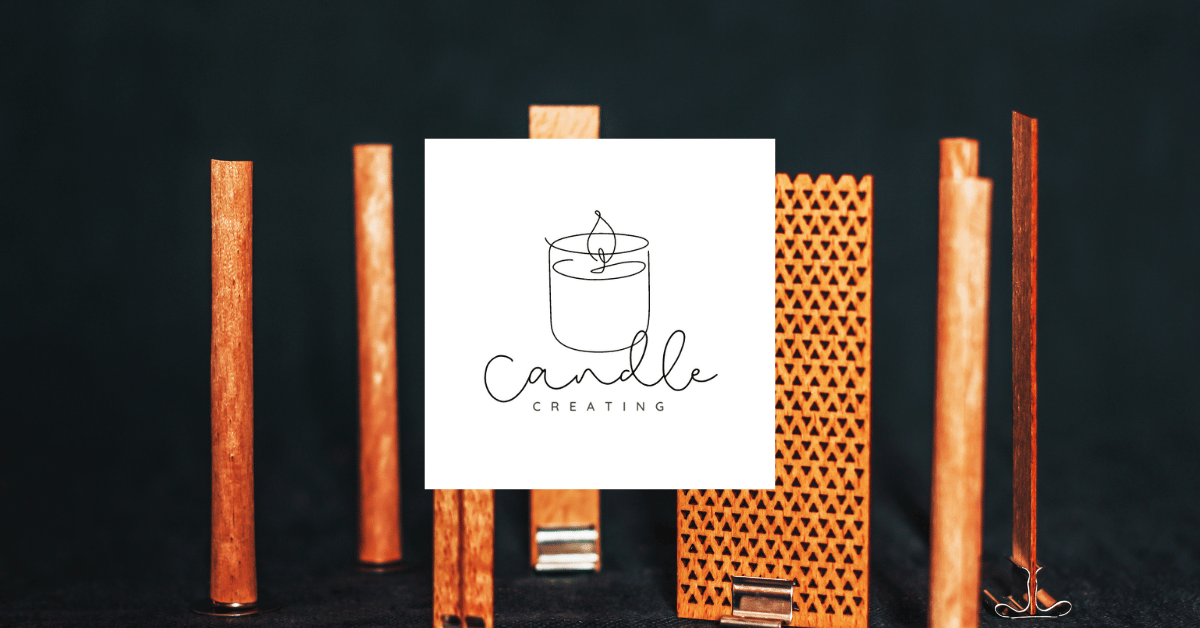
The Art of Candle Making with Wooden Wicks: A Flicker of Charm
Wick Selection and Candle Testing Wooden wicks can create a distinctive horizontal flame and, in some formulas, a subtle crackling sound. They also have a narrower operating range than many beginners expect. Wick width, thickness, construction, clip, wax, fragrance, dye, vessel diameter, trimming, and lighting technique must work together for the candle to stay lit…
-
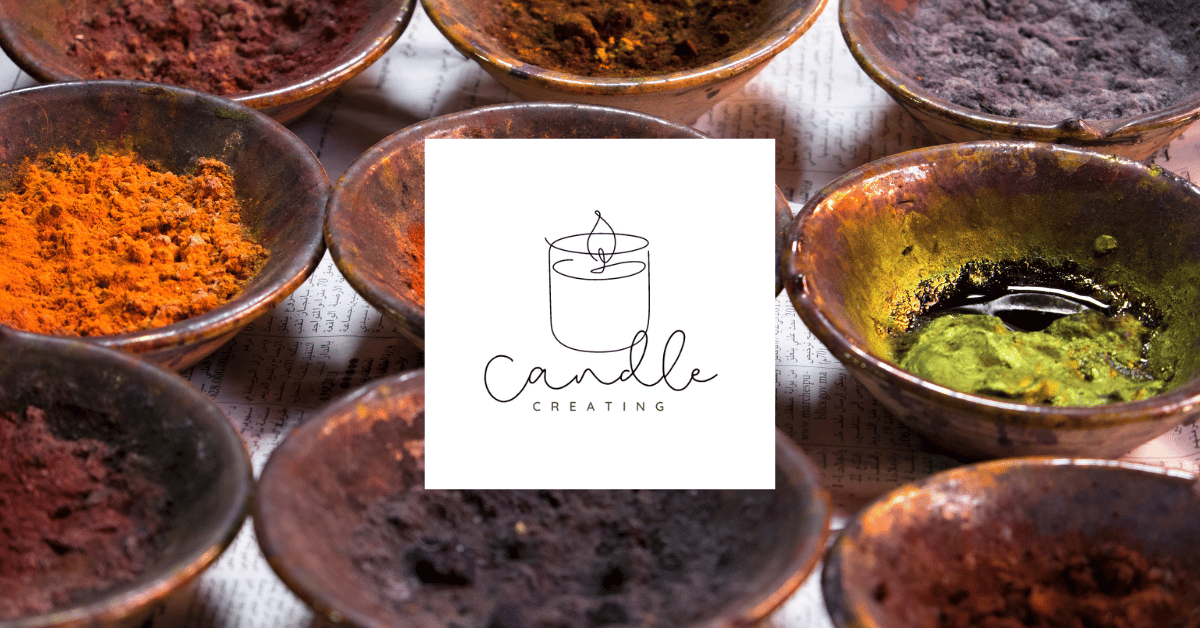
How do you make candles with natural dyes?
Natural color without unsafe shortcuts Plant color can tint wax—but natural does not automatically mean candle-safe. Many online recipes treat turmeric, beet powder, coffee, spirulina, hibiscus, water extracts, and vinegar as interchangeable candle dyes. They are not. A candle is a fuel-and-wick system, and any added liquid or solid can change how that system burns.…
-
How do you create marbled or swirled effect candles?
Decorative Candle Technique Marbled candles are created by allowing two or more shades of wax to meet without blending completely. The pattern comes from controlled pouring, wax viscosity, and a small number of deliberate tool movements. The goal is visible veining and ribbons of color while keeping the wick centered and the candle formula suitable…
-
How do you make dripless candles?
Drip-resistant taper candle guide Balance the wax, wick and shape. Then prove the burn. A reliable taper does not come from one magic additive. It comes from a firm freestanding wax, a correctly matched wick, consistent geometry and testing under realistic conditions. Wax & wick selectionStep-by-step methodNo universal additive ratioFull-life testing Start the method ↓…
-

How to Start a Candle Making Business
Learning how to start a candle-making business involves much more than creating an attractive candle and opening an online store. A sellable candle must be repeatable, fully tested, properly labeled, profitably priced and supported by reliable production, inventory and customer-service systems. The creative side matters, but the business succeeds or fails through the less glamorous…
-
Making Aromatherapy Candles: A Journey into Blissful Scents
Aromatherapy candles combine candle making with intentional scent design. Instead of choosing a fragrance only because it smells pleasant, you build the candle around the atmosphere you want to create—quiet and comforting, bright and energizing, warm and grounding, or fresh and clean. That does not make an aromatherapy candle a medical treatment. It is still…
-
Creating Candles with Embedded Flowers
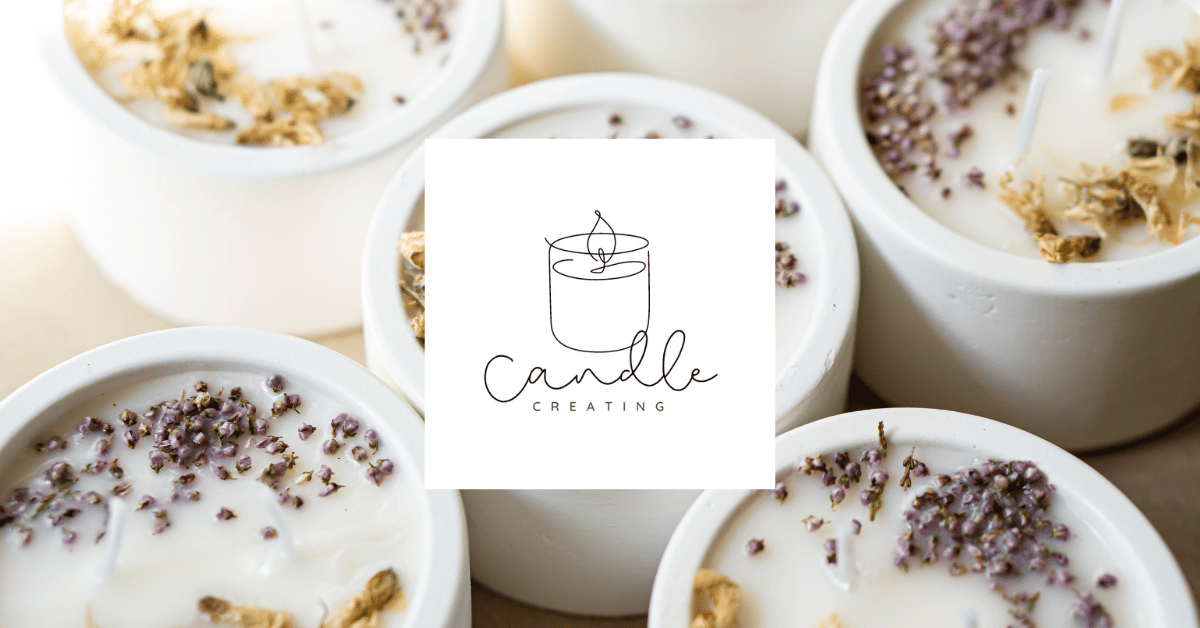
Candles decorated with rose petals, lavender buds, herbs, and other dried botanicals are undeniably beautiful. They appear frequently in craft tutorials and social-media videos, where flowers are pressed against a jar, scattered over the wax, or arranged around the wick. Unfortunately, a candle that looks beautiful while unlit can behave very differently once the wax…
-
How to Make Floating Candles: A Step-by-Step Guide
A safer, more reliable floating-candle method A stable float starts with the right shape—not a special kind of wax. Floating candles are shallow molded candles designed to sit upright as they burn on water. This guide explains how to choose a firm wax, center the wick, control the candle’s proportions, and test the entire burn…
-

How to Make Floating Candle Centerpieces
Table Decor and Candle Safety Floating candle centerpieces create reflected light with surprisingly few materials: a wide stable vessel, clear water, genuine floating candles, and optional decorations kept completely below the waterline. The most successful designs are simple enough to look elegant and controlled enough to use without surrounding an open flame with petals, oils,…