
Category: Candle Making
-

How to Ensure Your Candles are Non-Toxic and Pet-Safe
Candles and pet safety Reduce exposure. Prevent access. Watch the animal—not the marketing. No wax, wick or fragrance makes a candle universally safe for every pet. Use this guide to lower avoidable risks, recognize warning signs and decide when an unscented candle—or no candle at all—is the better choice. Cats, dogs & birds Ingredients explained…
-

How to Make Candles at Home with Essential Oils
Natural fragrance guide A Better Way to Make Essential Oil Candles at Home Learn how to choose compatible ingredients, calculate essential oil by weight, follow wax-specific temperatures, and test a candle that burns cleanly and consistently. Learning how to make candles at home with essential oils can be a rewarding way to explore plant-derived fragrance.…
-

How to Avoid Common Candle Making Mistakes
Candle making looks simple at first. Melt some wax, add fragrance, place a wick in a container, and pour. But anyone who has made a few candles knows that achieving consistent results takes more than following a basic recipe. Weak fragrance, uneven tops, tunneling, smoky flames, and wax that refuses to set properly are just…
-
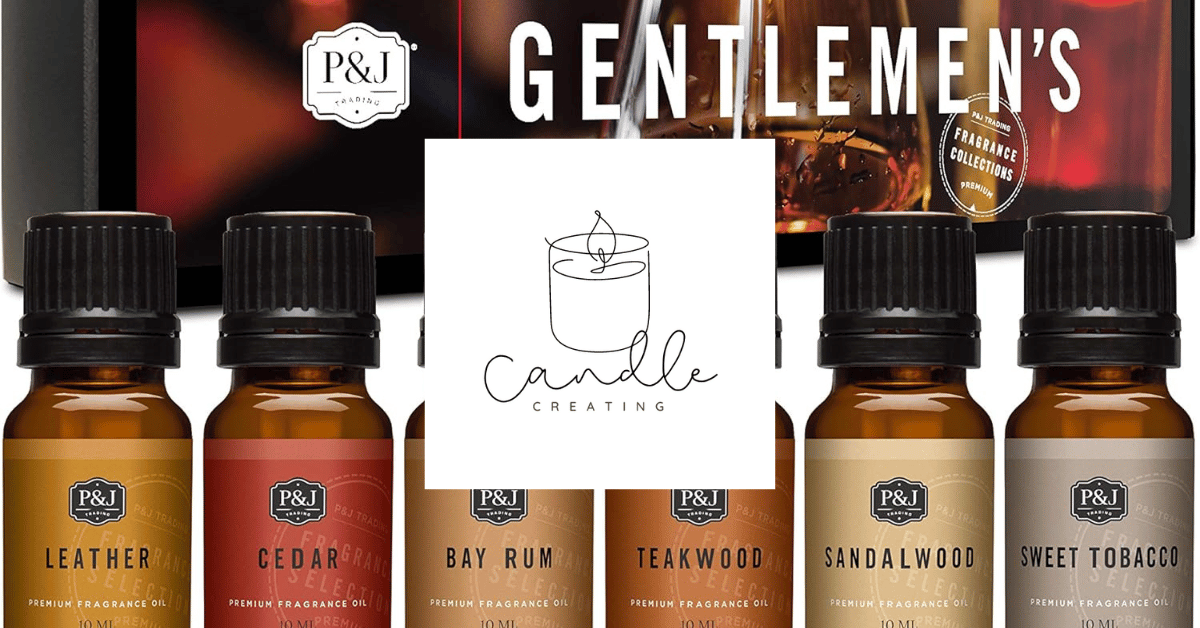
Crafting Candles for Men With Manly Aromas
A Guide to Manly Aromas with Gentlemen’s Premium Grade Fragrance Oils So, you’re interested in making candles, but not just any candles. You’re aiming to create something that resonates with a rugged, masculine vibe—something that smells like, well, a man’s world. Whether you’re making these candles for yourself, as a gift, or even to sell,…
-
How do you make eco-friendly candles?
Making a more eco-friendly candle involves much more than replacing paraffin with soy wax. Every component has an environmental footprint, including the wax, wick, fragrance, container, packaging and energy used during production. There is no completely impact-free candle. A better goal is to reduce unnecessary materials, choose ingredients with transparent sourcing, design the candle to…
-

Candle Tunneling & Uneven Burning: Causes and Fixes
Uneven candle burn troubleshooting Read the flame. Check the system. Change one variable. Tunneling, a lopsided melt pool or a drowning wick is a symptom—not a diagnosis. Use this guide to separate placement and care issues from wick, vessel and formula problems without resorting to risky heat tricks. Seven burn symptomsConsumer vs maker actionsUnsafe fixes…
-

The Art of Candle Making with Wooden Wicks: A Flicker of Charm
Wick Selection and Candle Testing Wooden wicks can create a distinctive horizontal flame and, in some formulas, a subtle crackling sound. They also have a narrower operating range than many beginners expect. Wick width, thickness, construction, clip, wax, fragrance, dye, vessel diameter, trimming, and lighting technique must work together for the candle to stay lit…
-
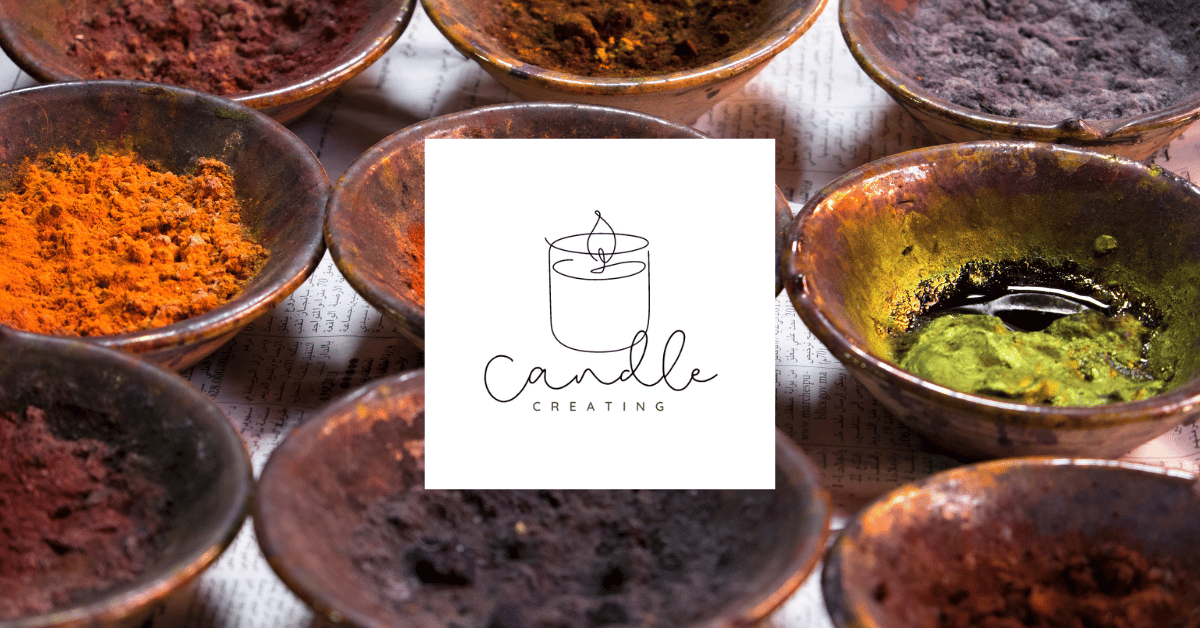
How to Color Candles Naturally: Natural Candle Dyes That Work
Natural color without unsafe shortcuts Plant color can tint wax—but natural does not automatically mean candle-safe. Many online recipes treat turmeric, beet powder, coffee, spirulina, hibiscus, water extracts, and vinegar as interchangeable candle dyes. They are not. A candle is a fuel-and-wick system, and any added liquid or solid can change how that system burns.…
-
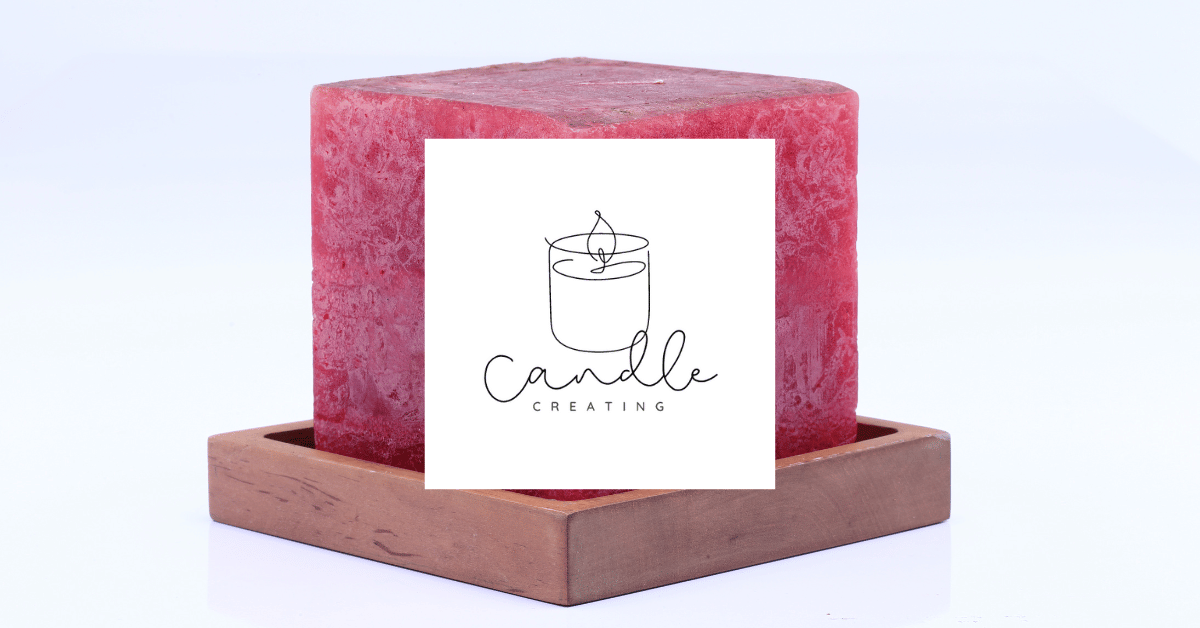
How do you create marbled or swirled effect candles?
Decorative Candle Technique Marbled candles are created by allowing two or more shades of wax to meet without blending completely. The pattern comes from controlled pouring, wax viscosity, and a small number of deliberate tool movements. The goal is visible veining and ribbons of color while keeping the wick centered and the candle formula suitable…
-
What Are Dripless Candles? How They Work & How to Make Them
Drip-resistant taper candle guide Balance the wax, wick and shape. Then prove the burn. A reliable taper does not come from one magic additive. It comes from a firm freestanding wax, a correctly matched wick, consistent geometry and testing under realistic conditions. Wax & wick selectionStep-by-step methodNo universal additive ratioFull-life testing Start the method ↓…