
Category: Candle Making
-
Making Aromatherapy Candles: A Journey into Blissful Scents
Aromatherapy candles combine candle making with intentional scent design. Instead of choosing a fragrance only because it smells pleasant, you build the candle around the atmosphere you want to create—quiet and comforting, bright and energizing, warm and grounding, or fresh and clean. That does not make an aromatherapy candle a medical treatment. It is still…
-
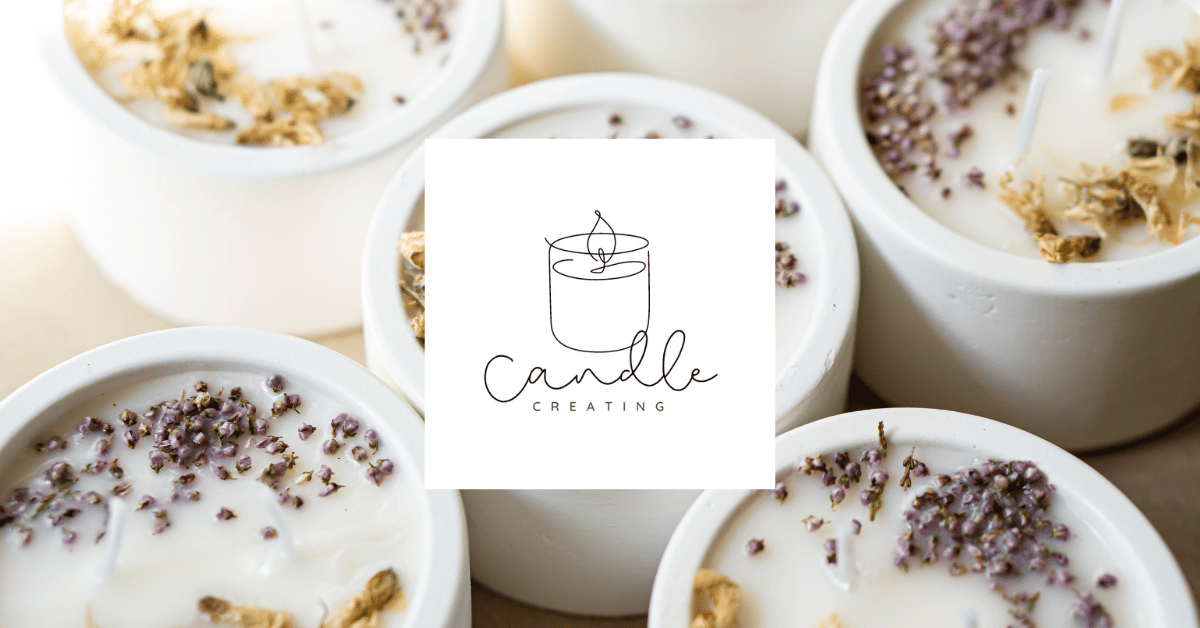
Creating Candles with Embedded Flowers
Candles decorated with rose petals, lavender buds, herbs, and other dried botanicals are undeniably beautiful. They appear frequently in craft tutorials and social-media videos, where flowers are pressed against a jar, scattered over the wax, or arranged around the wick. Unfortunately, a candle that looks beautiful while unlit can behave very differently once the wax…
-
How to Make Floating Candles: A Step-by-Step Guide
A safer, more reliable floating-candle method A stable float starts with the right shape—not a special kind of wax. Floating candles are shallow molded candles designed to sit upright as they burn on water. This guide explains how to choose a firm wax, center the wick, control the candle’s proportions, and test the entire burn…
-

How to Make Floating Candle Centerpieces
Table Decor and Candle Safety Floating candle centerpieces create reflected light with surprisingly few materials: a wide stable vessel, clear water, genuine floating candles, and optional decorations kept completely below the waterline. The most successful designs are simple enough to look elegant and controlled enough to use without surrounding an open flame with petals, oils,…
-
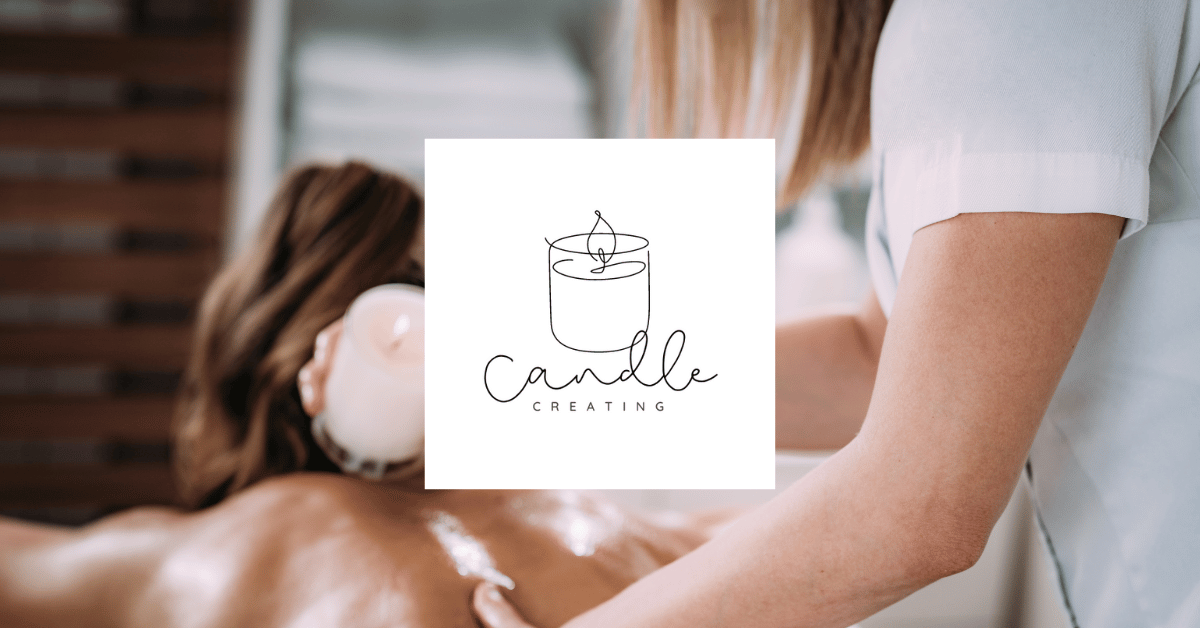
How to Make Massage Candles: A Comprehensive Guide
Skin Contact and Candle Safety A massage candle is a carefully formulated, low-melting balm that is warmed by a candle flame and applied to the skin after the flame is extinguished. It is not simply a soft soy candle. Every wax, butter, oil, fragrance, wick, and container must be suitable for its intended use, and…
-

DIY Firestarter Candles: Crafting Flames with Flair
Outdoor Project and Fire Safety DIY wax fire starters can turn clean candle-wax scraps and dry natural tinder into useful ignition aids for a permitted wood fire. The project is simple, but the finished pieces are not candles, decorations, toys, or indoor fragrance products. This guide explains how to make, store, and use them with…
-

The Benefits of Beeswax Candles
Wax Guide and Fact Check Beeswax has earned its place in candle making for practical reasons: it is naturally firm, visually distinctive, pleasantly aromatic, and well suited to tapers, pillars, molds, and rolled candles. It also carries several exaggerated health claims. This guide separates the genuine benefits of beeswax candles from the marketing myths and…
-
Blending Essential Oils for Unique Candle Scents
Natural Fragrance Blending Blending essential oils for candles is part fragrance design and part product testing. A blend can smell beautiful in the bottle yet become weak, sharp, muddy, or unbalanced in hot wax. This guide shows you how to build original candle scents with scent families, top, middle, and base notes, weight-based ratios, supplier…
-
DIY Candle Containers: Upcycling Ideas
Creative Candle Making DIY candle containers can turn an empty jar or thrift-store find into something useful and beautiful. The creative possibilities are wide, but the list of objects that should hold a live flame is much narrower. This guide shows you how to upcycle containers without assuming that every cup, can, bottle, shell, or…
-
Understanding Different Wick Types for Candle Making
Candle Making Fundamentals The wick is the fuel-delivery system of a candle. Its construction, size, treatment, and placement influence flame height, melt-pool development, scent performance, soot, container temperature, and burn time. This guide explains the main candle wick types and shows how to choose a practical starting wick without mistaking a supplier chart for a…