
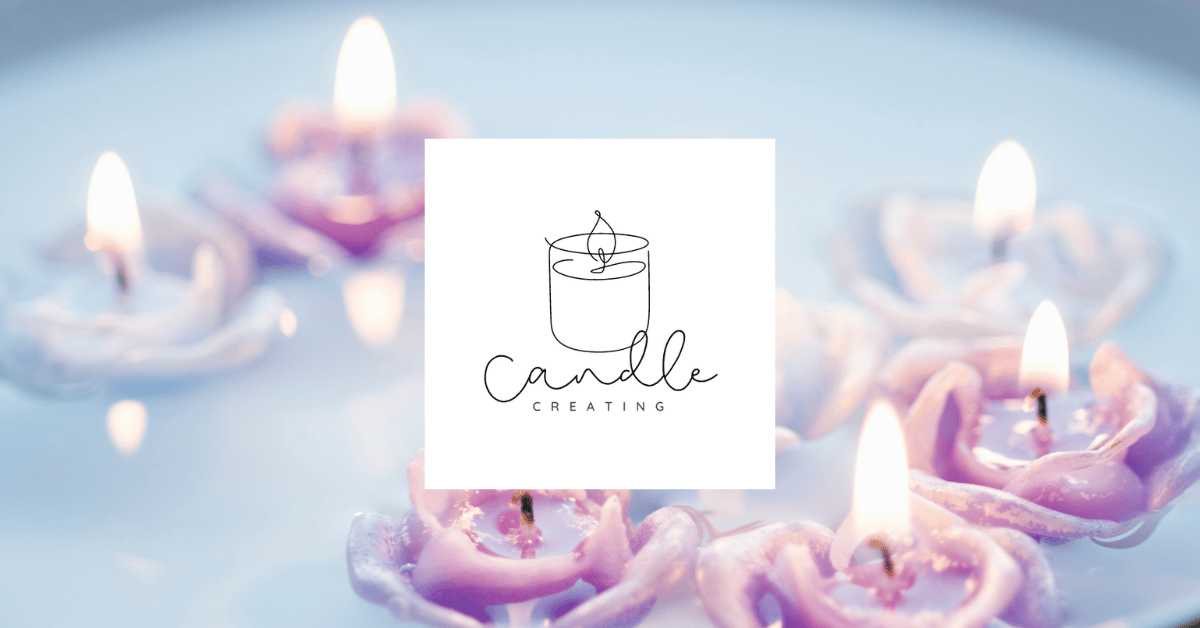
Table Decor and Candle Safety
Floating candle centerpieces create reflected light with surprisingly few materials: a wide stable vessel, clear water, genuine floating candles, and optional decorations kept completely below the waterline. The most successful designs are simple enough to look elegant and controlled enough to use without surrounding an open flame with petals, oils, glitter, or other combustible objects.
Quick answer: Place a low, wide, noncombustible bowl on a stable heat-resistant surface. Add clean glass stones or another noncombustible decoration to the bottom, fill the bowl with room-temperature water, and float one or more candles made specifically for water. Confirm that the candles remain upright and separated, then light them only while a responsible adult is present. Keep the flames at least 12 inches from anything that can burn.
Why Floating Candle Centerpieces Look So Effective
A floating candle provides two sources of visual interest: the flame itself and its reflection across the water. That doubled light makes a simple arrangement feel fuller without filling the vessel with decorations. Water also creates gentle motion as the candles move slightly across the surface.
The best centerpiece designs use that reflection instead of competing with it. A clear or lightly tinted bowl with a few submerged glass stones often looks more polished than a crowded mixture of flowers, fruit, glitter, leaves, ribbons, and multiple candle sizes.
Easy to coordinate
Change the candle color, vessel shape, base stones, or surrounding table linens to match a wedding, dinner, holiday, or seasonal color palette.
Low visual profile
A shallow arrangement allows guests to see one another across a dining table and is less likely to interfere with conversation than a tall centerpiece.
Simple to repeat
Matching bowls and identical candles make it possible to create a consistent series for a long table or event without designing every vessel differently.
Easy to convert to flameless
If a venue prohibits open flames or the setting includes children, pets, wind, or hanging decorations, waterproof floating LED lights can create a similar reflection.
Water does not make an open flame harmless. The candle can drift toward another candle or the side of the vessel, and nearby decorations, sleeves, napkins, hair, curtains, and table linens can still ignite.
Materials for a Safe, Simple Centerpiece
- A low, wide, stable bowl or vessel made from a heat-suitable noncombustible material
- Floating candles designed and tested to remain upright on water
- Clean room-temperature water
- Optional distilled water when mineral spots or cloudiness are a concern
- Optional smooth glass gems, polished stones, or glazed ceramic pieces for the bottom
- A stable heat-resistant mat, tray, or table surface
- A long-reach lighter
- A candle snuffer suitable for the arrangement
- Lint-free cloths for drying the vessel and cleaning spills
Purchase actual floating candles rather than placing ordinary tealights, votives, or improvised wax shapes in water. A purpose-made floating candle is shaped so its center of gravity, wick position, and wax distribution help it remain upright.
If you prefer to make the candles yourself, use the separate floating candle tutorial. Complete buoyancy and burn testing before including homemade candles in a centerpiece used around guests.
Use candles from the same batch and size. Matching candles tend to float at similar heights and burn for similar periods, giving the centerpiece a more intentional appearance.
How to Choose the Right Bowl or Vessel
The vessel is part candle holder, part water container, and part table decoration. It must remain stable when filled, provide enough open surface for the candles to float without crowding, and tolerate the conditions created by an open flame.
Look for these features
- Wide base: The footprint should make the filled vessel difficult to tip.
- Low or moderate sides: The flame should not sit deep inside a narrow glass chimney.
- Open top: There must be enough room to light and extinguish the candles without reaching into a confined space.
- Heat-suitable material: Use a product intended for candle accessories or comparable heat exposure, not an unknown decorative glass.
- Undamaged surface: Reject vessels with cracks, chips, deep scratches, or an unstable base.
- Enough diameter: The candles need room to remain separated from each other and the vessel wall.
Do not assume that mason jars, drinking glasses, antique teacups, thrifted bowls, or tall florist cylinders are appropriate. Food or floral use does not establish suitability for candle heat. A narrow vessel can also hold the flame below its rim, complicate extinguishing, and bring hot combustion products close to the glass.
Plan the candle spacing before adding water
Set the unlit floating candles in the empty vessel first. Leave at least 3 inches between candles and enough open water to prevent any candle from resting against the vessel wall. More space is better. If the candles touch when gently moved around the vessel, use fewer candles or choose a larger bowl.
Avoid filling the bowl to the rim. Leave enough empty space to move or extinguish an unlit arrangement without spilling. Once a candle is lit, do not move or carry the vessel.
How to Make a Floating Candle Centerpiece
- Choose the final location. Use a level, stable, heat-resistant surface outside normal traffic paths. Keep at least 12 inches between every flame and anything that can burn, including flowers, greenery, menus, curtains, cabinets, table linens, and overhead decorations.
- Inspect and clean the vessel. Check for damage, wash away residue, rinse thoroughly, and dry the outside. Cleaning is easier before heavy stones and water are added.
- Test the layout dry. Place the unlit candles in the empty vessel to confirm capacity and spacing. Test the complete arrangement in advance rather than discovering crowding during an event.
- Add optional bottom decorations. Arrange smooth glass gems, polished stones, or glazed ceramic pieces on the bottom. Avoid sharp pieces that could scratch or stress glass. Keep decorations low enough that they will remain fully submerged.
- Add room-temperature water. Pour slowly to avoid shifting the base layer or creating bubbles. Do not mix essential oil, fragrance oil, alcohol, liquid fuel, glitter, or loose floating decorations into the water.
- Place the candles gently. Lower each floating candle flat onto the surface. Keep the wick dry. If a wick becomes saturated, replace the candle rather than repeatedly trying to light it.
- Observe the unlit arrangement. Wait several minutes and confirm that the candles remain level, float freely, and do not collect against one another or the wall.
- Remove nearby combustibles. Clear paper, napkins, ribbons, sleeves, greenery, flowers, and other burnable materials from the required clearance area. Check above the flame as well as beside it.
- Light just before use. Use a long-reach lighter and ignite the candles without leaning hair, clothing, or hands over another flame.
- Supervise continuously. Keep the arrangement within sight of a responsible adult. Extinguish it before people leave the room, before the event winds down, or whenever the candles drift, tilt, smoke, or behave unexpectedly.
For the clearest water: Wash the vessel and glass stones thoroughly, use distilled water, minimize handling of the water, and assemble close to the event time. Tiny bubbles usually disappear after the water rests.
Four Floating Candle Centerpiece Ideas
1. Minimal glass bowl
Use one wide clear bowl, a thin layer of clear glass gems, and three identical white floating candles. The restraint lets the water reflections provide most of the decoration.
2. Matching trio
Arrange three low bowls of the same design at different points along a table. Use one floating candle in each bowl rather than crowding several flames into a small vessel.
3. Seasonal color below the water
Change only the submerged glass stones: amber for autumn, icy blue for winter, soft green for spring, or sea glass tones for summer. Keep the water surface clear.
4. Flameless floral display
When floating petals or surrounding greenery are essential to the design, replace the flame with waterproof floating LED lights. This is the better choice for windy patios, children’s tables, pet-accessible rooms, and venues that prohibit open flames.
Wedding centerpiece planning
Repeatability matters more than complexity for wedding tables. Select one bowl, one candle size, one submerged accent, and one water level. Build a complete sample table before ordering multiples so you can evaluate sightlines, burn duration, room airflow, cleanup, and how the design looks under the venue lighting.
Ask the venue about open-flame rules before purchasing supplies. Some locations require enclosed flames, permits, specific candle holders, or flameless alternatives. Venue approval does not replace supervision or careful placement.
What Not to Put Near Floating Candles
| Avoid | Why it causes problems | Safer design choice |
|---|---|---|
| Floating flower petals, leaves, or greenery | They can drift into the flame or wick as the water moves. | Use noncombustible accents fully below the water or switch to floating LEDs. |
| Pine cones, acorns, dried flowers, or paper decorations | These combustible materials should not share the vessel or flame zone. | Display them elsewhere with at least 12 inches of flame clearance. |
| Essential oil or fragrance oil in the water | Oil does not mix evenly with water and may collect on the surface near the flame. | Use an unscented arrangement or a tested scented floating candle. |
| Glitter, plastic confetti, or fake snow | Loose material can float, cling to the wick, melt, or create difficult cleanup. | Use colored glass at the bottom of the bowl. |
| Fruit slices or cranberries | They float unpredictably, can touch the wick, and make the water cloudy. | Use glass fruit shapes fully submerged or flameless lights. |
| Photos, ribbon, lace, or memorabilia | Paper and fabric can shift into the flame zone or wick up spilled water. | Place keepsakes in separate frames outside the candle clearance area. |
| Ordinary tealights or votives | They are not shaped or balanced for stable flotation. | Use candles manufactured specifically as floating candles. |
| Unknown or damaged glassware | Decorative glass may be unstable or respond unpredictably to heat and handling. | Use an undamaged heat-suitable noncombustible vessel with a wide base. |
The same principle applies to decorative candles outside water: combustible material should not be placed near a wick or flame. Review the safety discussion about flowers and botanical material in candles before using plant material in any candle display.
Setting Up Floating Candles for a Wedding or Event
An event centerpiece needs more planning than a one-night display at home because many vessels may be lit at once and guests may move chairs, napkins, menus, gifts, or decorations after setup.
Before the event
- Obtain written venue approval for the exact design or use flameless alternatives.
- Test each candle style in the chosen vessel for the expected event duration.
- Confirm that air-conditioning vents, fans, doors, or outdoor breezes do not push flames or candles.
- Assign adults to lighting, monitoring, and extinguishing rather than assuming venue staff will handle it.
- Verify that smoke alarms and required fire-safety equipment are present and functional.
- Bring replacement candles, lighters, snuffers, towels, and a container for cooled used candles.
During setup
Move empty vessels to the tables first, add bottom decorations, then fill them near their final positions. Carrying a heavy bowl of water through a room increases spill and drop risk. Dry the outside and table immediately after filling.
Light candles only after floral arrangements, place settings, favors, signs, and overhead decorations are in their final positions. Recheck the 12-inch clearance after guests are seated because coats, sleeves, gift bags, and napkins can change the layout.
When flameless is the better answer
Choose waterproof floating LEDs when the centerpiece will be outdoors, below hanging greenery, near children or pets, on a crowded buffet, in a venue without open-flame approval, or anywhere continuous adult supervision is unrealistic. A good design should still work when the flame is removed.
Floating Candle Centerpiece Troubleshooting
The candle tips or sits at an angle
Extinguish it and remove it after cooling. Confirm that it is a genuine floating candle, the wick is centered, and the candle is not damaged. Do not keep relighting an unstable candle. Test a different candle from the batch or replace the design.
The candles drift together
The bowl may be too small, the table may be out of level, or air movement may be pushing the candles. Use fewer candles, a wider vessel, or individual bowls. Do not insert hidden combustible spacers or tie floating candles together.
The wick will not light
The wick may have become wet during placement. Remove the candle and allow it to dry completely, or replace it. Do not pour alcohol, lighter fluid, fragrance oil, or another accelerant onto the wick.
The water becomes cloudy
Residue on the bowl, stones, hands, or decorations is the usual cause. Clean every component thoroughly and use distilled water. Avoid fruit, fresh plant material, food coloring, loose powders, and oils.
The flame is large, smoky, or unstable
Extinguish the candle. Check the manufacturer’s wick-trimming instructions, drafts, debris, and whether the candle was damaged. A floating candle that continues to smoke or produce an excessive flame should not be used.
The bowl becomes hot
Extinguish the candles and leave the arrangement untouched until everything cools. Reevaluate the vessel, flame position, number of candles, spacing, and burn duration. Do not add cold water to hot glass or carry a hot water-filled bowl.
How to Extinguish and Clean Up the Centerpiece
- Extinguish before moving anything. Use a suitable snuffer without leaning across another flame. Confirm that every wick is fully out.
- Allow the wax and vessel to cool. Do not pick up a recently extinguished candle or carry a warm bowl of water.
- Remove cooled candles. Lift them gently and place them on a noncombustible tray. Follow the manufacturer’s guidance on reuse and minimum remaining wax.
- Remove decorations. Take out glass stones or other submerged pieces before lifting a large vessel. This reduces weight and the chance of dropping it.
- Empty the water carefully. Pour it into a sink only after removing wax pieces, glitter, stones, or solid decorations that could clog a drain.
- Clean and inspect. Wash the vessel, remove wax without scratching it, dry it thoroughly, and check for damage before storage or reuse.
Do not leave the centerpiece burning during cleanup, photographs, speeches, or room turnover. If the responsible monitor must leave, extinguish every flame first.
Frequently Asked Questions
Can any candle float in water?
No. Use a candle manufactured or properly tested as a floating candle. Ordinary tealights, votives, and container candles are not designed to remain stable on open water.
Can I put essential oils in the centerpiece water?
No. Essential oils do not dissolve evenly in water and can collect on the surface near the wick and flame. Keep the water free of oil. If fragrance is desired, use only a tested floating candle whose manufacturer designed it to be scented.
Can I float flower petals with the candles?
Floating petals can drift into a wick or flame, so they should not share the surface with lit candles. Use submerged noncombustible accents or replace the open flame with waterproof floating LEDs when petals are essential to the design.
How many candles should go in one bowl?
The answer depends on the bowl and candle diameters. Test the layout while unlit. The candles should remain separated from one another and the vessel wall even when the water moves. If there is doubt, use fewer candles or one candle per bowl.
Should I use hot or cold water?
Use clean room-temperature water. Sudden temperature differences are unnecessary and can stress some materials. Never add cold water to a hot vessel.
Can floating candle centerpieces be used outdoors?
Wind can move the flame, shift the candles, and carry burning debris. Waterproof floating LEDs are generally the better outdoor option. If open flames are permitted, follow all venue and local requirements and extinguish them when conditions become breezy.
Are floating candle centerpieces safe around pets?
They should be kept completely out of a pet’s reach. A pet can drink the water, knock the vessel over, contact hot wax, or disturb the flame. Use a flameless display when the arrangement cannot be isolated and supervised.
How long will floating candles burn?
Burn time varies by candle diameter, height, wax, wick, and conditions. Use the manufacturer’s tested estimate only as a planning guide and complete your own observed test before an event. Never burn beyond the manufacturer’s directions.
Let the Water and Candlelight Do the Decorating
A floating candle centerpiece does not need loose petals, oils, glitter, fruit, or crowded accessories. A stable vessel, clear water, generous spacing, and one restrained submerged accent create a cleaner appearance while keeping combustible material away from the flame.
Continue with the floating candle-making tutorial, review candle wick types and testing, or visit the complete How to Make Candles resource hub.
Safety note: Keep burning candles within sight, on a stable heat-resistant surface, and at least 12 inches from anything that can burn. Keep children and pets away, never move a lit arrangement, and extinguish every flame before leaving the room.