
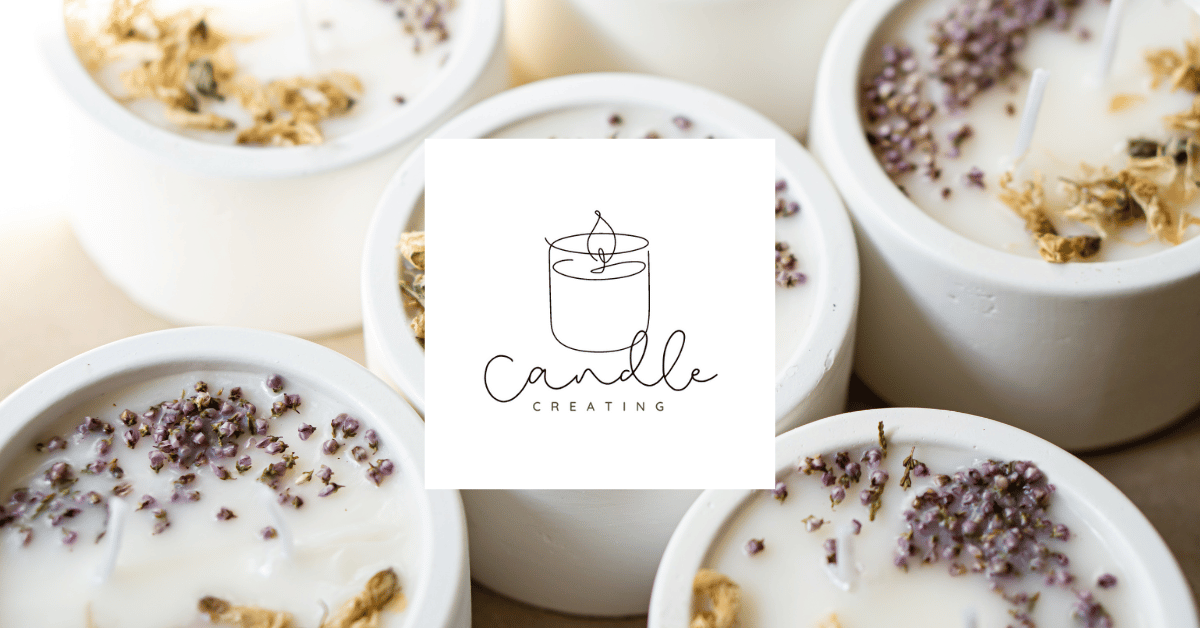
Candles decorated with rose petals, lavender buds, herbs, and other dried botanicals are undeniably beautiful. They appear frequently in craft tutorials and social-media videos, where flowers are pressed against a jar, scattered over the wax, or arranged around the wick.
Unfortunately, a candle that looks beautiful while unlit can behave very differently once the wax melts. Dried flowers and other botanical materials are combustible. If they enter the melt pool, move toward the wick, or become coated in liquid wax, they can ignite and create a second flame.
Important fire-safety warning
Do not place dried flowers, petals, leaves, herbs, bark, cinnamon sticks, paper, or other combustible decorations inside the burnable area of a candle.
This includes decorations placed on top of the wax, around the wick, or against the inside of a container where they could eventually enter the liquid melt pool.
The good news is that you can still create a beautiful floral candle without placing real flowers near an open flame. This guide explains the risks and shows you safer ways to capture the color, shape, and fragrance of flowers.
Are Candles With Embedded Flowers Safe?
Real flowers should not be embedded in wax that will eventually melt around a burning wick.
The National Candle Association’s report on botanical candles identifies dried flowers, leaves, herbs, and wood embedded near a candle flame as a potential fire hazard. Independent testing found that botanical materials entering the liquid wax could become coated in fuel and sustain their own flames.
A small petal may appear safely positioned when the candle is new, but its location can change as the candle burns. Melting wax, convection currents, or movement of the container can carry the material closer to the wick.
Possible results include:
- A second flame forming away from the wick
- An unexpectedly large or irregular flame
- Rapidly increasing container temperature
- Heavy smoke or soot
- Botanical material floating through the melt pool
- Glass damage caused by excessive or uneven heat
- Nearby combustible material catching fire
A warning label cannot correct an unsafe candle design. Fire safety should be built into the candle itself.
Why Dried Flowers Become Dangerous in Candle Wax
Dried botanicals are combustible
Flowers, leaves, herbs, bark, and stems are plant material. Once dried, they can ignite when exposed to sufficient heat or direct flame.
Liquid wax can turn the material into another wick
A candle wick pulls liquid wax upward and delivers it to the flame as fuel. A dried stem, leaf, or petal can also absorb melted wax. If the material reaches the flame, the wax-coated decoration may begin burning independently.
The melt pool expands as the candle burns
A decoration placed against the inside wall of a new candle may look far from the wick. As the melt pool grows toward the container edge, that material can loosen and float toward the center.
Botanicals can alter the candle’s heat pattern
A properly designed candle should burn with a controlled, stable flame. Additional burning material can increase heat, create an uneven flame, or concentrate heat against one portion of the container.
Materials That Should Not Be Placed in a Burning Candle
Avoid placing the following materials inside the wax or on the candle’s burnable surface:
- Dried or fresh flowers
- Rose petals
- Lavender buds
- Dried herbs
- Leaves and stems
- Pine needles or cones
- Bark, twigs, or pieces of wood
- Cinnamon sticks or whole spices
- Coffee beans
- Paper, photographs, or confetti
- Fabric, ribbon, or string
- Plastic decorations
- Craft glitter not specifically formulated for candles
Fresh flowers are not a safe substitute. They eventually dry, may contain trapped moisture, and can still interfere with the candle’s burn.
What About Flowers Placed Far From the Wick?
Distance from the wick at the beginning of the candle’s life does not guarantee that the material will remain safely separated from the flame.
Container candles often develop a melt pool that extends toward the vessel’s inside edge. A flower pressed against the glass may eventually release into that liquid wax. Once loose, it can drift toward the wick or become exposed above the wax surface.
For that reason, simply arranging flowers around the outside edge of a container candle is not a dependable safety measure.
What About Traditional Botanical Pillar Candles?
Some professionally designed decorative candles contain botanical elements in an outer wax shell engineered to remain solid and isolated from the flame. These are different from container candles in which the flowers enter the melt pool.
However, achieving a reliably isolated outer shell requires careful design, compatible materials, controlled dimensions, correct wicking, and complete fire-safety testing. It should not be assumed that a homemade pillar will always burn inward or leave every decoration protected.
For a home candle maker, the safest approach is to keep real botanical material out of any candle intended to be lit.
Safer Ways to Create Floral Candles
You do not need real flowers inside the candle to produce a botanical appearance. The following options provide a floral effect without introducing loose combustible plant material into the melt pool.
1. Use flower-shaped wax decorations
Create small flower shapes from candle wax using a silicone mold. Use candle-approved dye to create petals, leaves, or layered colors.
Only use wax and additives compatible with the candle’s main formula. Even wax decorations change the amount and distribution of fuel, so the finished candle must still be burn-tested.
Keep wax decorations small and low-profile. Avoid building a tall arrangement around the wick that could interfere with lighting, wick trimming, or flame stability.
2. Make a flower-shaped molded candle
Instead of placing flowers inside a candle, use a flower-shaped silicone mold to make the candle itself resemble a rose, peony, daisy, or another bloom.
Select a hard wax formulated for molded or freestanding candles. Soft container wax may not release cleanly from the mold or maintain its shape.
Our candle wax comparison guide explains which waxes work best for containers, pillars, tapers, molds, and wax melts.
3. Build the floral theme with fragrance
A well-developed fragrance can communicate the experience of flowers without adding physical botanicals.
Possible floral profiles include:
- Rose and sandalwood
- Lavender and vanilla
- Jasmine and amber
- Gardenia and coconut
- Peony and clean cotton
- Orange blossom and cedar
- Honeysuckle and lemon
- Violet and soft musk
Use fragrance oils approved for candle applications and stay within the wax manufacturer’s recommended fragrance range. More fragrance does not always produce better scent and can create burning problems.
If you are considering essential oils, read our guide to making candles with essential oils and our advice for blending unique candle scents.
4. Use layered floral colors
Create a botanical theme with colored wax layers inspired by petals, stems, and leaves. For example, combine a muted green lower layer with cream, blush, or lavender wax above it.
Use dyes specifically formulated for candles. Heavy color loads, pigments, and certain decorative powders may interfere with wick performance.
5. Choose a botanical label or container design
A printed floral label, engraved lid, illustrated dust cover, or botanical container can provide the desired appearance without putting real plant material in the wax.
Keep labels and packaging away from the top opening and make sure nothing can curl, loosen, or fall into the candle while it burns.
6. Use dried flowers with flameless candles
If real dried flowers are essential to the design, use them in a project that contains no wick or open flame. A floral arrangement built around an LED flameless candle can provide a similar atmosphere without exposing the botanicals to fire.
Clearly distinguish flameless decor from burnable candles so someone does not mistakenly try to light it.
7. Make flower-shaped wax melts
Flower molds are also excellent for making decorative wax melts. The floral appearance comes from the shape, wax color, and fragrance rather than actual flowers.
Do not add dried flowers to wax melts. Botanicals can scorch on a warmer’s heated surface and make cleanup difficult.
A Safer Floral Container Candle Project
This project uses floral color and fragrance without dried flowers or other combustible embeds.
What you will need
- Candle-rated container
- Container wax
- Properly sized candle wick
- Candle-safe floral fragrance oil
- Candle-approved dye, if desired
- Wick sticker or other tested wick attachment
- Digital scale
- Pouring pitcher
- Thermometer
- Stirring utensil
- Wick-centering tool
- Warning label
Review the basic materials needed to make homemade candles before beginning.
Step 1: Select a compatible wax and container
Use a wax intended for container candles and a vessel specifically manufactured to tolerate candle heat. Do not use ordinary drinking glasses, thin decorative jars, cracked containers, or unknown repurposed vessels.
Step 2: Choose a starting wick
Wick selection depends on the container’s inside diameter, wax formulation, fragrance, dye, and desired burn characteristics.
Begin with the wax or wick manufacturer’s recommendation, then confirm the size through testing. Our guide to different candle wick types provides additional guidance.
Step 3: Measure everything by weight
Use a digital scale to measure both wax and fragrance. Follow the wax manufacturer’s maximum fragrance allowance rather than relying on a universal recipe.
Step 4: Melt and mix according to supplier instructions
Different waxes require different heating, fragrance-addition, and pouring temperatures. Follow the technical directions supplied with your exact wax.
Add only candle-approved fragrance and dye. Stir thoroughly without whipping unnecessary air into the wax.
Step 5: Pour and center the wick
Secure the wick to the center of the container, pour the wax carefully, and use a centering tool to keep the wick upright while the candle cools.
Do not place dried flowers, herbs, glitter, crystals, or other objects on the surface after pouring.
Step 6: Allow the candle to cure
Cure time varies by wax. Follow the wax supplier’s recommendation before evaluating cold throw, hot throw, and burning performance.
Step 7: Conduct a complete burn test
Test the candle in controlled burn sessions and record:
- Flame height and stability
- Melt-pool development
- Container temperature
- Hot scent throw
- Wick mushrooming
- Smoke or soot
- Wax remaining near the container walls
- Performance near the bottom of the candle
Changing the fragrance, dye, wick, wax, or container creates a new formula that should be tested again.
Can You Remove the Flowers Before Lighting?
A candle should not depend on the customer noticing and removing potentially hazardous materials before every burn. Small petals or stems may remain behind, become trapped below the surface, or be overlooked.
If an item must be removed before lighting, keep it completely separate from the wax and make the removal instruction unmistakable. For candles intended for sale, a design that contains no real botanicals in the candle is the safer choice.
Can Crystals or Stones Be Embedded in Candles?
Crystals and stones are not combustible in the same way as dried flowers, but that does not automatically make them appropriate candle additives. They may shift toward the wick, disrupt the melt pool, concentrate heat, damage the vessel, or become hot enough to cause burns.
Unless the complete design has been professionally evaluated and repeatedly tested, keep stones, crystals, metal charms, and other foreign objects outside the candle.
Safety Rules for Every Candle
Regardless of its design, every burning candle is an open flame. Follow these basic precautions:
- Trim the wick to approximately 1/4 inch before lighting.
- Keep the melt pool free of wick trimmings, matches, and debris.
- Burn the candle on a stable, heat-resistant surface.
- Keep the candle away from drafts, fans, and air vents.
- Keep it at least 12 inches away from combustible objects.
- Never leave a burning candle unattended.
- Keep candles away from children and pets.
- Do not move a candle while the wax is liquid.
- Follow the candle maker’s maximum burn-time instructions.
- Stop using the candle when the recommended amount of wax remains.
See the National Candle Association’s candle-safety guidance for additional recommendations.
Selling Floral Candles Safely
If you sell handmade candles, visual appeal should never take priority over fire safety. Before releasing a design:
- Remove real botanicals and combustible decorations from the wax.
- Use candle-rated vessels and candle-approved ingredients.
- Test every wax, wick, fragrance, dye, and container combination.
- Keep detailed batch and burn-test records.
- Apply appropriate candle fire-safety labels.
- Review applicable ASTM candle standards.
- Maintain product liability insurance.
- Retest whenever an ingredient or supplier changes.
A social-media trend is not a substitute for a tested candle design. If a decorative feature can enter the melt pool or reach the flame, leave it out.
Frequently Asked Questions
Can I put dried lavender in a candle?
No. Dried lavender is combustible and can ignite if it enters the melt pool or reaches the wick. Create a lavender-themed candle with candle-approved fragrance, color, and packaging instead.
Can rose petals be placed around the edge of a candle?
Rose petals placed around the inside edge of a container may loosen as the wax melts and move toward the wick. They should not be placed inside a burnable candle.
Are fresh flowers safer than dried flowers?
No. Fresh flowers can dry over time, retain moisture, interfere with the wax, and eventually become combustible material inside the candle.
Can I decorate only the top of the candle?
Decorations on top are especially likely to enter the first melt pool. Keep the candle surface free of dried flowers, herbs, wood, paper, and other debris.
Can I use flower-shaped wax embeds?
Wax-only decorations made from compatible candle wax and candle-approved dye are a better alternative to real flowers. However, they still alter the candle’s fuel system, so the complete design must be burn-tested.
Are botanical candles safe to sell?
Candles containing combustible botanicals in the burnable wax present an avoidable fire risk. For products intended for customers, use floral fragrance, color, wax shapes, molds, labels, or containers instead of real plant material.
Create the Floral Look Without the Fire Hazard
Dried flowers are beautiful, but they do not belong in the melt pool of a burning candle. Petals, herbs, leaves, bark, and stems can absorb wax, move toward the wick, and create uncontrolled secondary flames.
Capture the same botanical feeling with flower-shaped wax, floral molds, carefully selected fragrance, layered colors, illustrated labels, or flameless arrangements. You can create a candle that feels natural and artistic without placing combustible decorations near an open flame.
Continue with our beginner’s candle-making guide, learn how to avoid common candle-making mistakes, or browse recommended candle-making supplies for your next project.